Share what matters
Tell the dentist what you notice about your smile and what you would like to understand. A photo or a simple description can help start the conversation.
Curious about tooth alignment or the look of a chipped or worn tooth? Cosmetic dentistry starts with your goals and the health of your teeth. Maine Dentistry can help you ask about Invisalign, veneers, in-house CEREC crowns, and when other care may make sense.
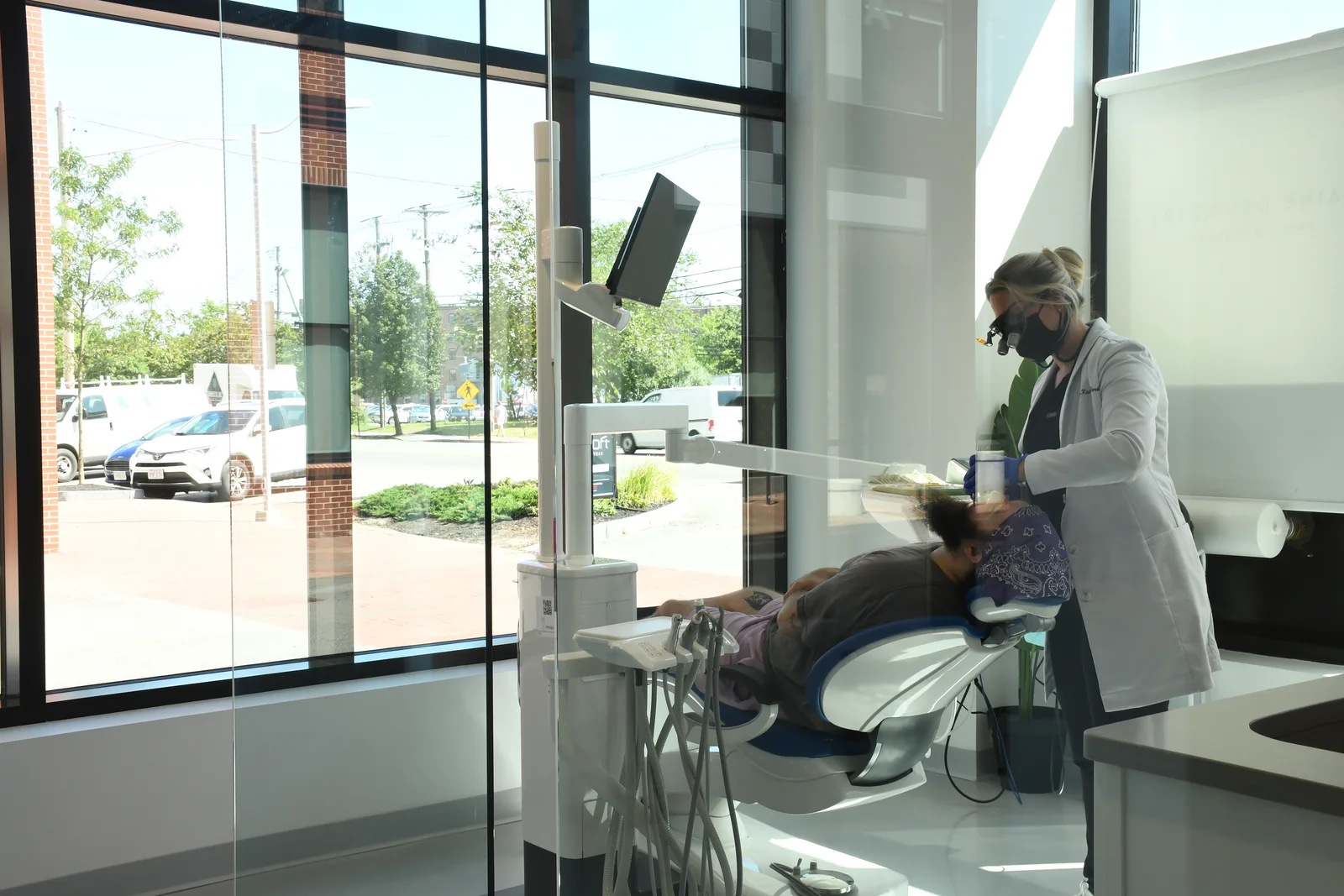
A useful cosmetic consultation begins with the question you have, not a predetermined treatment.
Tell the dentist what you notice about your smile and what you would like to understand. A photo or a simple description can help start the conversation.
An exam can show whether alignment care, veneers, or a crown may be suitable and whether another dental concern needs attention before elective care.
Ask what each option can change, what it cannot, how long care may take, what upkeep involves, and what an itemized estimate includes.
An exam may reveal concerns such as decay, gum inflammation, or sensitivity that should be discussed before an elective change. Some options require permanent changes to natural tooth structure. Ask about the expected result, preparation, alternatives, upkeep, and a written estimate for your own plan before deciding.
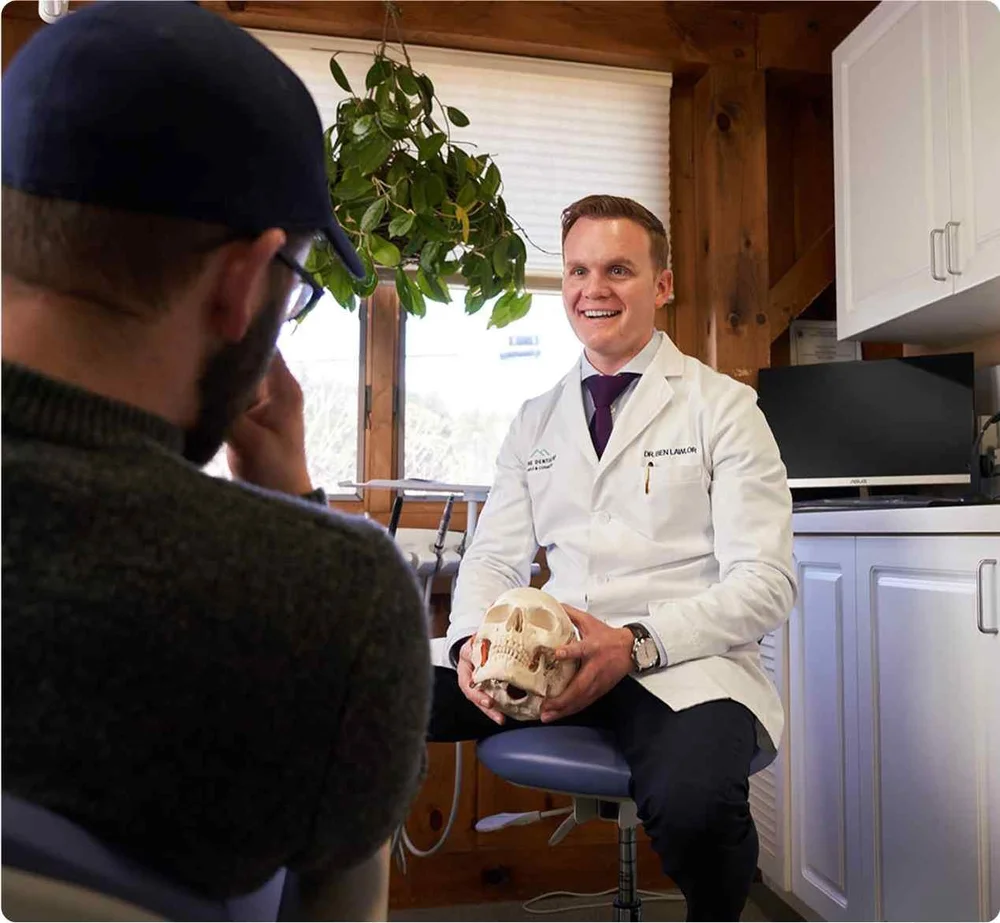
Whether it is one detail in a photo or a broader question about your smile, bring it up. A dentist can explain what may be realistic for your teeth and whether alignment care, a restoration, another approach, or no treatment is the best next step.
Contact an officeThese general answers are a starting point. Your dental team can speak to your own health, needs, and options.
Cosmetic dentistry is care considered to change the appearance of a smile. It can involve questions about tooth color or alignment, but an exam is needed to decide which options are appropriate and whether dental health concerns should be addressed first.
The practice discusses Invisalign clear aligners, veneers, and in-house CEREC crowns; bonding may be considered for certain chipped teeth. Tell the team what you would like to change and ask which options are suitable at your preferred office. Suitability still requires an evaluation.
CEREC technology helps design and create custom crowns in the office. This may streamline treatment and reduce the need for multiple visits in appropriate cases. Your dentist will explain whether it suits your tooth and what timing is realistic.
No universal timing can be promised. The condition of your tooth, any care needed first, and the proposed plan affect the number of visits. Ask your dentist what applies to your case.
Veneers cover the front of selected teeth for an appearance-related change. Crowns cover more tooth structure and may be used when a tooth also needs restoration. Bonding uses tooth-colored material for some small chips or shape changes. A dentist can explain the trade-offs for your tooth rather than recommending one option from a photo alone.
Veneers may require changes to natural enamel, and they may need repair or replacement over time. The preparation depends on the tooth and the proposed design. Ask how much tooth structure would be changed, whether an alternative is less invasive, and how the veneer would be maintained.
Possibly. A small chip may be suitable for bonding, while more extensive damage may call for a different restoration. An exam is important because the extent of damage and the condition of the tooth affect what is safe and reasonable.
Appearance and function can overlap. A dentist can explain whether restorative care, such as a crown or tooth replacement, should be part of the conversation before deciding on an appearance-focused change. The sequence depends on your dental health.
Yes. You can describe one detail that matters to you and ask about conservative options, their limits, and whether doing nothing is reasonable. A consultation should help you understand your choices, not commit you to a larger plan.
Your dentist can check for decay, gum concerns, sensitivity, or other issues that may affect your options. When another concern needs attention first, they can explain the recommended order of care and why it matters.
It depends on your goal, oral health, and the recommended approach. Aligner care and treatments involving restorations have different steps and schedules. Ask your dentist for a plan and timeline based on your own teeth.
A dentist can discuss what a proposed option may and may not change, but no exact shade, tooth position, or final appearance can be promised from a web page. Ask about realistic goals, limitations, and maintenance before deciding.
Daily cleaning and regular dental visits remain important. Care instructions depend on the treatment and whether you have natural teeth, aligners, bonding, veneers, or crowns. Ask what upkeep and possible future repairs or replacements to expect.
Coverage depends on your plan and the reason for care. Some appearance-focused treatment may not be covered. Request a written estimate and ask your insurer or the office how to check your benefits before making a decision.
Maine Dentistry has offices in Auburn, Gray, and Portland, Maine. Contact the office that works for you to ask about a cosmetic consultation and which options are available there.
Maine Dentistry has offices in Auburn, Gray, and Portland, Maine. Contact your preferred team to ask about a cosmetic consultation and confirm which options are available there.
34 Center Street
Auburn, ME 04210
31 Portland Road
Gray, ME 04039
383 Commercial Street, Suite B
Portland, ME 04101