Evaluate your smile
Discuss your goals, dental health, and bite. An examination helps determine whether Invisalign is suitable or another approach deserves consideration.

It’s about more than straight teeth. Like proper alignment in a car, the way your teeth come together matters. Invisalign can help improve tooth alignment and bite relationships in suitable cases, alongside a straighter smile.


Your dentist can explain each step before you decide whether clear aligner care fits your needs.
Discuss your goals, dental health, and bite. An examination helps determine whether Invisalign is suitable or another approach deserves consideration.
Ask about the proposed aligner sequence, wear instructions, check-ins, expected timing, alternatives, and a written estimate tailored to you.
Keep aligners clean and wear them as directed. Discuss how progress will be checked and what retainers or follow-up care may be needed afterward.
Consistent wear, regular cleaning, and follow-up visits matter. Other dental concerns may need attention first, and refinements or retainers may be discussed as part of a plan. Ask about the proposed steps, alternatives, expected costs, and what happens if your progress differs from the original plan.
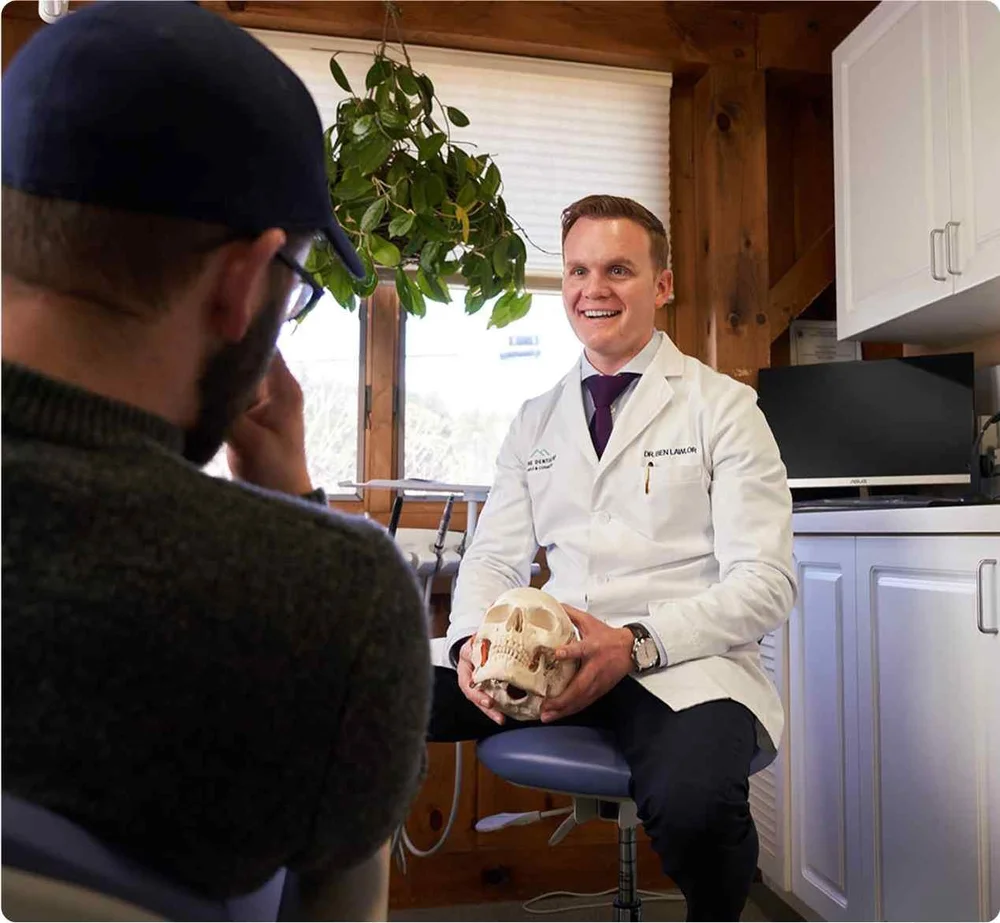
You do not need to decide on aligners before a visit. Describe what you notice about your teeth or bite, ask whether Invisalign is a reasonable option, and discuss what an individual plan and its alternatives would involve.
Contact an officeThese general answers are a starting point. Your dental team can speak to your own health, needs, and options.
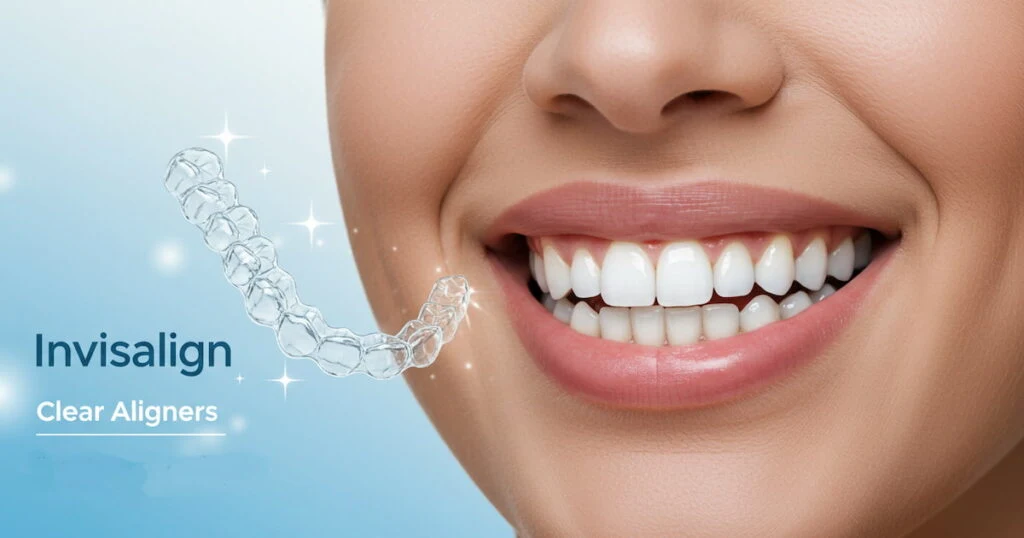
Invisalign uses a planned series of removable, clear aligners. Each set applies controlled pressure to guide tooth movement over time. A dentist evaluates your teeth and bite, explains the proposed sequence, and checks progress during care.
Tell the dentist what you would like to change and share any dental concerns. An evaluation of your teeth, gums, and bite helps determine whether clear aligners may be appropriate, what alternatives exist, and what questions a proposed plan must answer.
Clear aligners may be considered for some crowding, spacing, and bite issues, but they cannot address every situation. The amount of movement needed and your oral health determine whether Invisalign or another approach is appropriate.
Invisalign aligners are removable, while traditional braces stay attached to the teeth during treatment. Both can move teeth, but they differ in daily care and which cases they may address. A dentist can discuss the trade-offs for your bite and routine.
Clear aligners generally need consistent wear for treatment to follow the plan. They are typically removed for meals and cleaning. Your dentist will explain the wear schedule and instructions that apply to your case before you begin.
Aligners are usually removed for meals and for drinks other than water, then the teeth and trays are cleaned as directed before reinsertion. Ask your dentist for the specific eating, drinking, and cleaning instructions for your plan.
Some people notice temporary pressure or tenderness when starting a new set of aligners. Experiences vary, and ongoing or severe discomfort should be discussed with your dentist rather than treated as an expected part of care.
There is no universal timeline. The number of planned movements, how consistently the aligners are worn, and whether adjustments are needed can affect treatment length. Ask for an individualized estimate after your evaluation.
Retainers are commonly discussed after tooth movement to help maintain the result. The type and schedule depend on your case. Ask whether retainers and follow-up visits are included in the proposed plan and written estimate.
No. In suitable cases, improving tooth alignment and bite relationships may also support bite function, reduce uneven tooth wear, and make daily cleaning easier. An examination is needed to understand which benefits may apply to you; clear aligners are not a promise of a particular health outcome.
Cost depends on the complexity of your case and what the plan includes, such as visits, possible refinements, and retainers. Insurance benefits vary. Request an itemized estimate and ask how coverage can be checked before choosing care.
Maine Dentistry has offices in Auburn, Gray, and Portland, Maine. Contact the team at your preferred office to ask about an Invisalign evaluation and confirm the available next steps there.
Maine Dentistry has offices in Auburn, Gray, and Portland, Maine. Contact your preferred team to ask about an Invisalign evaluation and confirm the next steps available there.
34 Center Street
Auburn, ME 04210
31 Portland Road
Gray, ME 04039
383 Commercial Street, Suite B
Portland, ME 04101