
A missing tooth can change more than your smile. You may avoid certain foods, notice a difference in your speech, or feel less comfortable in photographs. If several teeth are missing, knowing where to begin can feel overwhelming. You do not need to choose a treatment before asking for help.
Dental implants are one option, but they are not the only one. This guide explains common approaches to missing tooth replacement and questions worth bringing to a consultation. The right recommendation depends on your health, remaining teeth, priorities, and an examination—not a photograph or an online checklist.
Why replacing missing teeth matters
Missing teeth can affect chewing and speech. Neighboring teeth may shift, and bone in the area can change after tooth loss. Restoring a gap may help with function and confidence, but the benefits differ by treatment and individual circumstances. Your dentist can explain whether replacement is advisable and what happens if you leave the space alone.
What are dental implants?
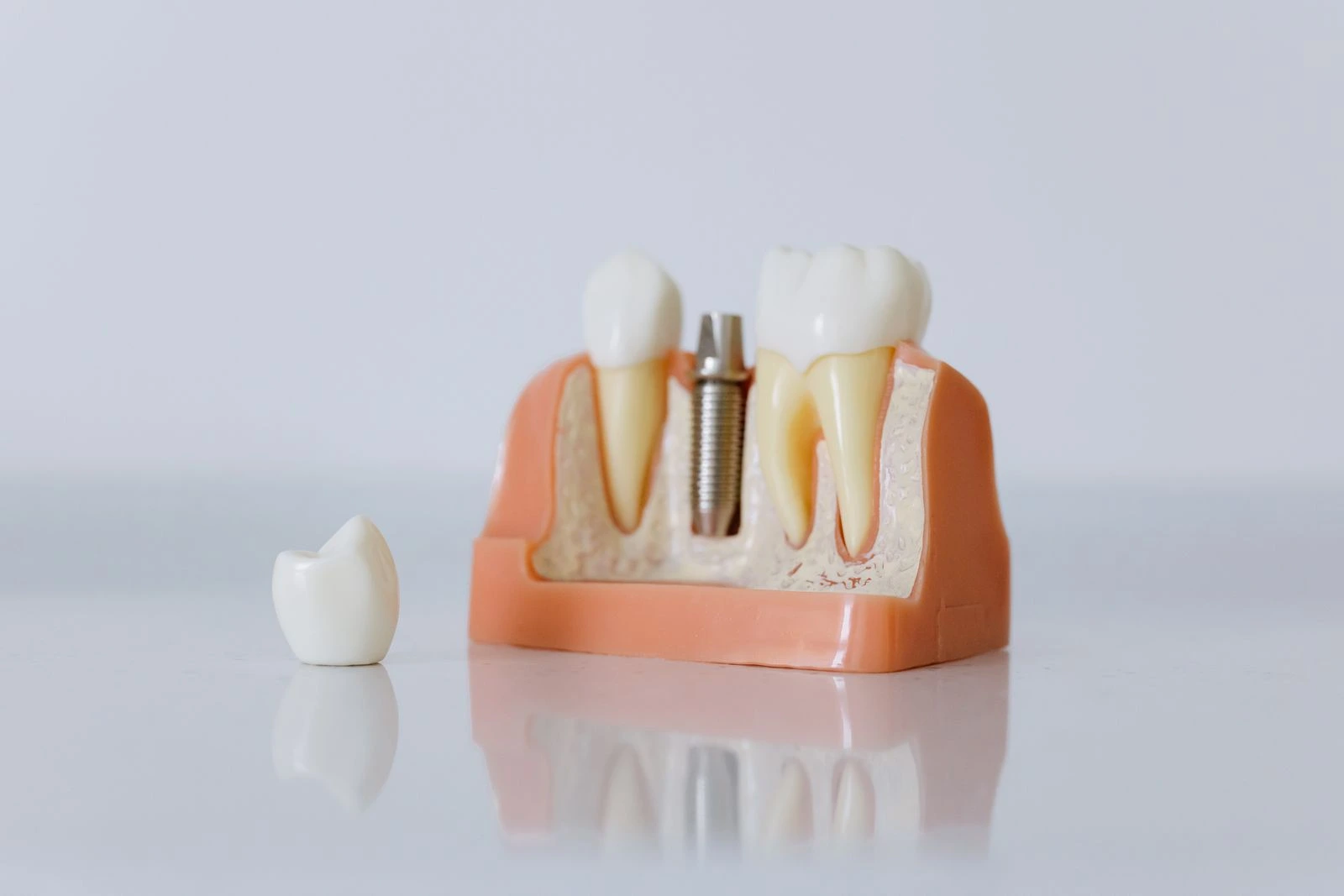
A dental implant is a device placed surgically in the jawbone to support replacement teeth. Think of the implant as the foundation, rather than the visible tooth. A connecting component, called an abutment, links it to a crown or another restoration.
Bone needs time to heal around the implant, a process called osseointegration. Implants can support crowns, bridges, or dentures, depending on the plan. Maine Dentistry’s dental implant services page explains how an evaluation helps compare these options.
Options for one tooth, several teeth, or a full arch
Single-tooth dental implants
A single implant may support one crown in a missing-tooth space. Unlike a conventional bridge, it usually does not require neighboring teeth to be reshaped as bridge supports. Bone, gum health, bite forces, and available space matter. A single missing tooth does not automatically make an implant the best choice.
Implant-supported bridges
When several teeth are missing together, implants may support a bridge spanning the gap. This can replace multiple teeth without an implant for every tooth. The number and position of implants depend on anatomy and the restoration’s design. Ask how you would clean beneath the bridge and which parts may need maintenance.
Implant-supported dentures
Some dentures attach to implants for additional support. Certain designs are removable by the patient for cleaning; others are fixed and removed by a dental professional when necessary. Terminology varies, so ask exactly what is proposed: what stays in place, what you remove, and how attachments or replacement teeth are maintained.
Full-arch options, including All-on-X
A full-arch restoration replaces an upper or lower set of teeth. All-on-X treatment uses a planned number of implants to support a fixed arch; the “X” reflects the individual plan. “Full-mouth dental implants” may refer to treating both arches, not placing an implant for every tooth. Ask about temporary teeth, the final restoration, cleaning access, and the treatment sequence.
Implants versus traditional bridges and dentures
A traditional bridge generally relies on neighboring teeth for support. A conventional removable denture rests on the gums and supporting tissues. An implant-supported replacement uses implants anchored in the jaw.
These options differ in surgery, preparation, visits, cleaning, maintenance, and cost. Bridges and dentures can be appropriate choices, including when surgery is unsuitable or not wanted. Implants may offer useful support, but they involve surgical risks and can fail. Compare the whole plan—not just whether the replacement is fixed or removable.
Who may be a candidate?
Your dentist considers jawbone, gum health, remaining teeth, medical history, medications, and healing risks. Tobacco use and some poorly controlled health conditions can affect healing. Previous tooth loss or age alone does not answer the question.
If additional bone support is needed, preparatory treatment or another replacement approach may be discussed. Infection, bleeding, nerve injury, and implant failure are among the risks to review. Bring an updated medication list and tell the team about your health concerns before making a decision.
What happens during an implant consultation?
Begin with what you notice: difficulty chewing, a loose denture, a visible gap, or teeth you worry about losing. The dentist reviews your history, examines your mouth and bite, and decides what imaging is appropriate. Together, you can discuss alternatives, potential risks, comfort measures, and practical priorities.
Ask who would provide each treatment stage, where appointments would take place, and whether specialist care or a referral is needed. Request a written plan that explains costs, likely visits, temporary replacements, and follow-up. You should understand your choices before agreeing to treatment.
Treatment and healing: what timeline is realistic?
Implant treatment is a sequence, not necessarily a single appointment. Assessment, extractions or other preparation, implant placement, healing, and fitting the final replacement can each take time. The FDA notes that healing around an implant may take several months or longer.
Some patients may receive temporary teeth earlier when conditions allow. That is not the same as completing healing or receiving the final restoration. Ask for a timeline based on your findings, including what you can eat and what you will wear while healing.
What affects dental implant costs in Maine?
Costs depend on how many teeth are being replaced, the type of restoration, examination and imaging needs, preparatory procedures, surgical complexity, and follow-up. A quote for one component may not describe the full treatment.
Ask for an itemized estimate explaining what is included, what may be additional, and future maintenance needs. Insurance coverage varies by plan; confirm benefits rather than assuming coverage. There is no reliable personalized price without an evaluation, and this guide does not promise a particular cost or financing arrangement.
Caring for implants over time
Implants need daily cleaning and regular professional review. Your dentist will show you how to clean around the restoration and may recommend tools for reaching beneath bridges or around attachments. Follow the instructions for your specific design.
Report persistent pain, swelling, bleeding, or looseness promptly. Implant components and replacement teeth can require repair even when an implant remains stable. Good care supports longevity, but no implant or restoration has a guaranteed lifespan.
Common questions about dental implants
Are dental implants painful?
Implant placement involves surgery. Ask about local anesthesia, other appropriate comfort measures, and expected recovery. Temporary soreness or swelling may occur; severe, worsening, or persistent symptoms should be reported. Your dentist should explain a recovery plan suited to your health and procedure.
How long does dental implant treatment take?
Many plans take several months, especially when healing or preparatory care is needed. The timeline depends on your mouth and the proposed restoration. Early temporary teeth, when appropriate, do not mean the final treatment is complete.
Can I get implants if I have been missing teeth for years?
Possibly. Long-standing tooth loss can be associated with bone changes, but it does not establish candidacy either way. An examination and appropriate imaging help determine whether implants, additional preparation, or another replacement option should be considered.
What is the difference between dental implants and dentures?
An implant is a foundation placed in the jaw. A denture is a replacement for missing teeth. Dentures may rest on the gums or attach to implants; implant-retained designs may be removable or fixed, depending on the plan.
How much do dental implants cost in Maine?
There is no single price that fits every case. The number of implants, restoration, preparation, and follow-up affect the total. Ask for a personalized written estimate and check insurance benefits before comparing treatment proposals.
How long can dental implants last?
Implants can be a long-term option, but there is no guaranteed duration. Oral hygiene, health, tobacco use, bite forces, and follow-up matter. The crown, bridge, attachments, or denture may need maintenance or replacement independently of the implant.
Explore care in Portland, Gray, and Auburn
Looking into dental implants in Portland, Auburn, or Gray, Maine? Start with the office convenient for you, then confirm where each stage of your proposed treatment would happen. Meet our team, explore our locations, or browse the Smile Gallery. Gallery photographs show individual results, not promises for your treatment.